Founder’s Message
Why I am building Firebird, what we are building, and what still lies ahead.
To everyone in Arizona
Yes, I really am working toward opening homeless shelters in every state, including Arizona. Phoenix is the intended starting point there. I’m still figuring out whether the ten shelter programs should be spread across the Valley or whether there should eventually be locations serving both the East and West Valley. Either way, I cannot wait to be doing this work on the ground.
So, what exactly is “this”?
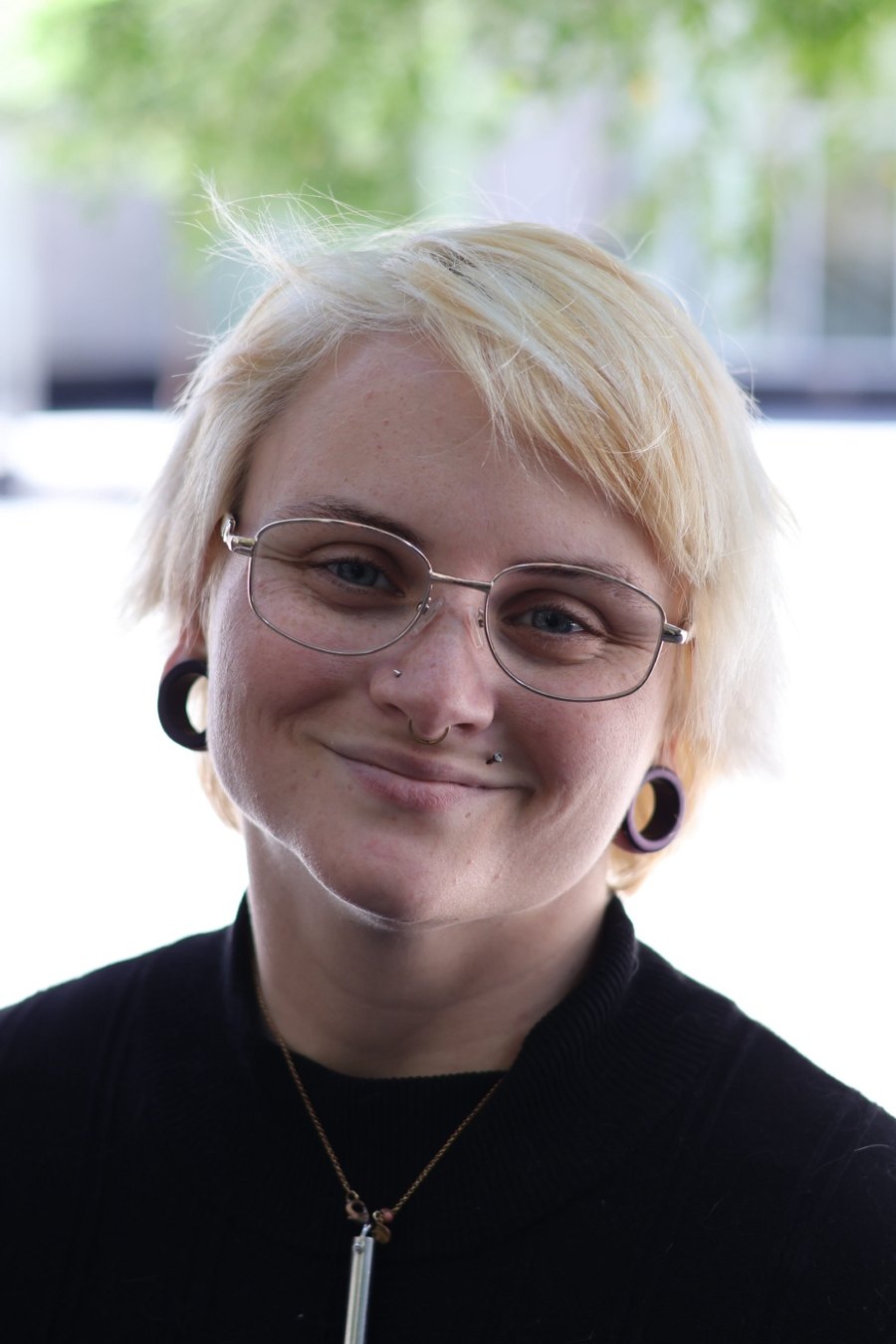
I am the founder and owner of Firebird Holdings LLC. Firebird is currently a Minnesota LLC, and the plan is to convert it into a public benefit corporation so its responsibility to serve the public is built into its legal structure—not left to whoever happens to be in charge later.
Firebird is being built to rethink emergency shelter from the inside out. This comes from lived experience. I know what it feels like to need help and encounter a system that treats you like paperwork before it treats you like a person.
At a Firebird shelter, urgent needs come first and nonessential paperwork comes later: shower, meal, bed, sleep—and then the paperwork in the morning. Required safety screening and legally required intake will still occur.
Ten shelter programs
The long-term plan includes ten different shelter programs designed for different people and situations: intermixed adults, women, men, women leaving domestic violence, men leaving domestic violence, couples, families, LGBTQ+ people, veterans, and youth. Each program will have a clear purpose and an environment built around the people it serves. The point is not to force everyone into one general model. It is to design each program around the safety, privacy, relationships, developmental needs, and circumstances of the people who will actually use it.
Four connected parts
But Firebird is bigger than the shelters. I’m building four connected parts:
- Nonprofit shelter programs with one consistent standard of care
- ShelterNow, our own software for care, privacy, records, and financial transparency
- Housing, so people can move into a home instead of waiting until a shelter bed is their only option
- Policy work aimed at laws that punish people simply for being unhoused
The first shelter, Hearthside—Intermixed Adult Shelter in Minneapolis—is in development. It is not open yet, and I want to be honest about that.
The national vision is large. Right now, the work is focused on developing the first Minneapolis program correctly. Phoenix is the intended starting point for Arizona as the broader model develops over time.
Emotional education
One of the most important parts of the Firebird model is emotional intelligence and emotional regulation. When someone has been living in crisis, their nervous system may be focused on survival. It can be difficult to think clearly, make long-term decisions, communicate, or trust anyone while the body still believes it is in danger. Firebird will not treat that as a character flaw.
The goal is to help people build the ability to notice what they are feeling, understand what may be driving it, and create a pause between emotion and action. One tool in the Hearthside Standard is something I call the Witness and Judge technique.
Awareness without shame. Accountability without condemnation.
The Witness observes without immediately reacting. It asks: What am I feeling? What happened? What thoughts am I having? What needs are not being met? What is objectively true?
The Judge comes second. It does not shame or condemn. It asks: Did my actions match my values? Did they help or harm? What responsibility do I need to take? What would a healthier choice look like next time?
Together, the Witness and Judge create awareness without shame and accountability without condemnation. The purpose is to help people respond instead of react, repair relationships when possible, and make decisions that support the future they want.
The standard applies to staff, too
This expectation will apply to staff, too. Staff cannot help another person regulate if they are escalating the situation themselves. Training is planned around self-regulation first, then co-regulation, then de-escalation and problem-solving. Tone, pacing, body language, respectful space, and the ability to remain steady all matter. Reflective supervision, debriefing after serious incidents, and attention to burnout and secondary trauma are also part of protecting both clients and staff.
This is emotional education—not unlicensed therapy, forced disclosure, or amateur diagnosis. Clinical care and clinical records must remain with properly qualified professionals and be kept separate from ordinary advocacy and case-management records.
Stability and practical next steps
Every Firebird program will be built around stabilization, emotional education, and practical next steps toward income, education, training, employment, housing, and independence. Participation in classes, coaching, and other supportive programming will be voluntary and will not be a condition of keeping a shelter bed. Safety and conduct requirements still apply. The goal is not to process people through a building. The goal is to help each person rebuild stability and regain control of their own life.
Dignity also has to be practical. Firebird’s standards are being designed around language access, disability access that goes beyond the physical building, LGBTQ+ inclusive care, respect for people of every faith and people with no religious affiliation, clear grievance procedures, and staff boundaries that protect clients from favoritism, exploitation, and inappropriate relationships.
Privacy by design
Privacy is another major part of the plan. ShelterNow is being designed so access to sensitive information is based on a person’s role and limited to what they actually need to do their job. Survivor information should not be shared more widely simply because technology makes that easy. De-identified reporting, separate clinical records, audit logs, and deliberate rules for how long records are kept—and when they are safely destroyed—are all part of building trust.
Support after shelter
Support should not end abruptly when someone leaves a shelter, either. The plan is for discharge work to begin early and include housing, benefits, employment or income support, healthcare, mental-health care, transportation, legal needs, documents, medications, school continuity, and warm handoffs to outside providers whenever possible. Handing someone an outdated phone number is not continuity of care.
A social enterprise
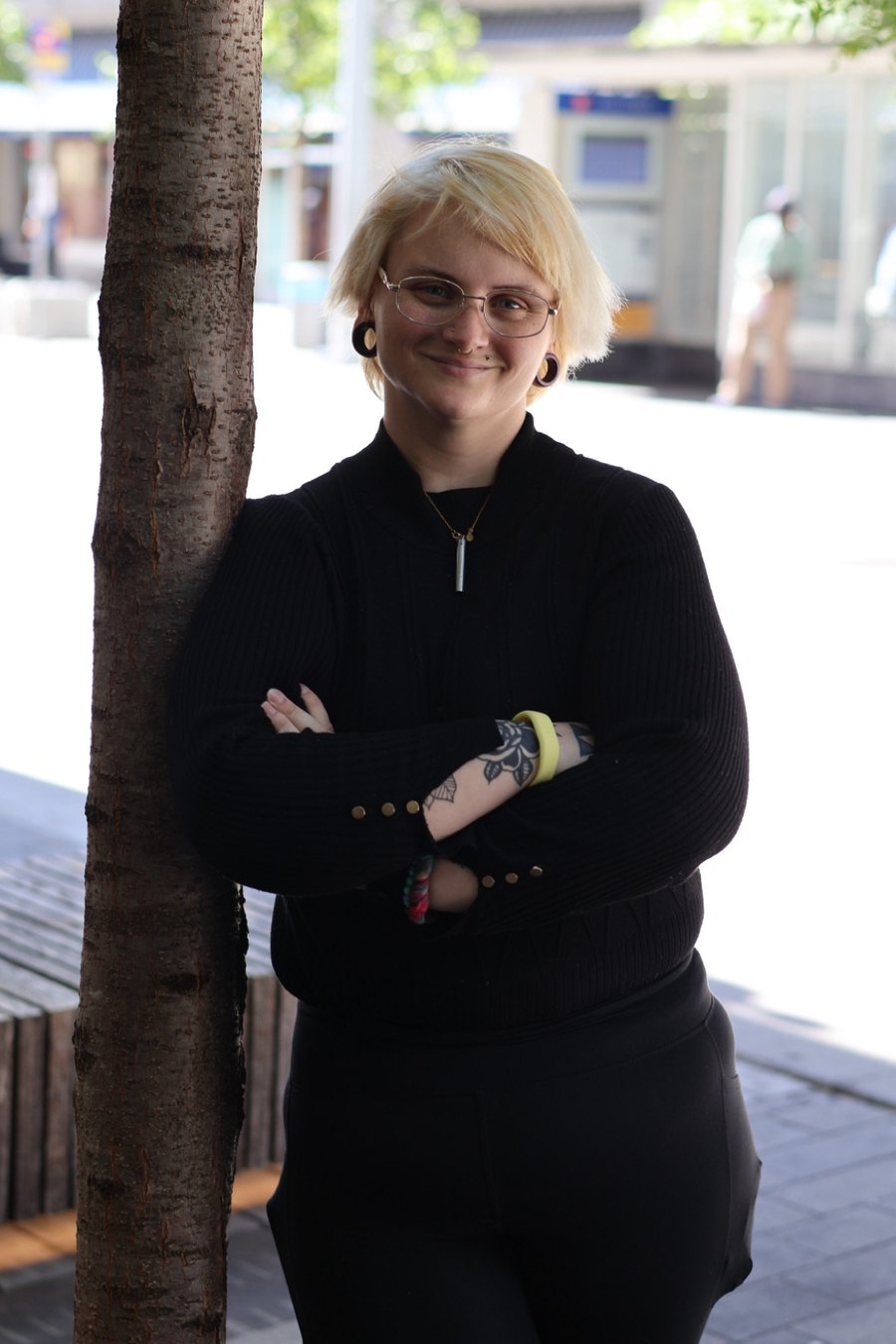
I’m building Firebird as a social enterprise because I want it to earn revenue and reinvest that money in shelters, housing, staff, systems, and clients, while each shelter operates through its own nonprofit. Firebird Holdings is meant to provide shared leadership, financial controls, compliance support, technology, and consistent standards so that individual programs can focus on the people they serve without each one having to reinvent the entire organization.
The Ledger
Transparency is being built into the foundation: spending published by category, major decisions explained, and corrections left visible. This is on the website under “The Ledger.”
That matters deeply to me because, while I was experiencing instability myself, I worked as a night auditor. I learned how important it is to close out a day correctly, reconcile transactions, document what happened, and leave a clear record for the next person. Good records are not just paperwork. They protect clients, staff, partners, and the organization. They create accountability, make audits possible, help identify mistakes, and show whether money and decisions match the mission. The system is still being developed, and it will keep improving as Firebird grows.
Why Firebird
There is still a lot I am learning, researching, writing, and putting together. I do have much of the foundation mapped out—that is what happens when you are truly invested in something—but I would rather be honest about what is still unfinished than pretend it already exists.
Firebird means rising from the ashes. I did. I’m building this so other people have the environment, tools, opportunity, and care to do it too.
If you have questions, ask me. I want people to understand not only what Firebird is, but why I am building it this way.