Welcome to Firebird Holdings
Every organization begins with a mission. Firebird Holdings began with a question. Why do so many people become invisible inside the very systems that were created to help them?
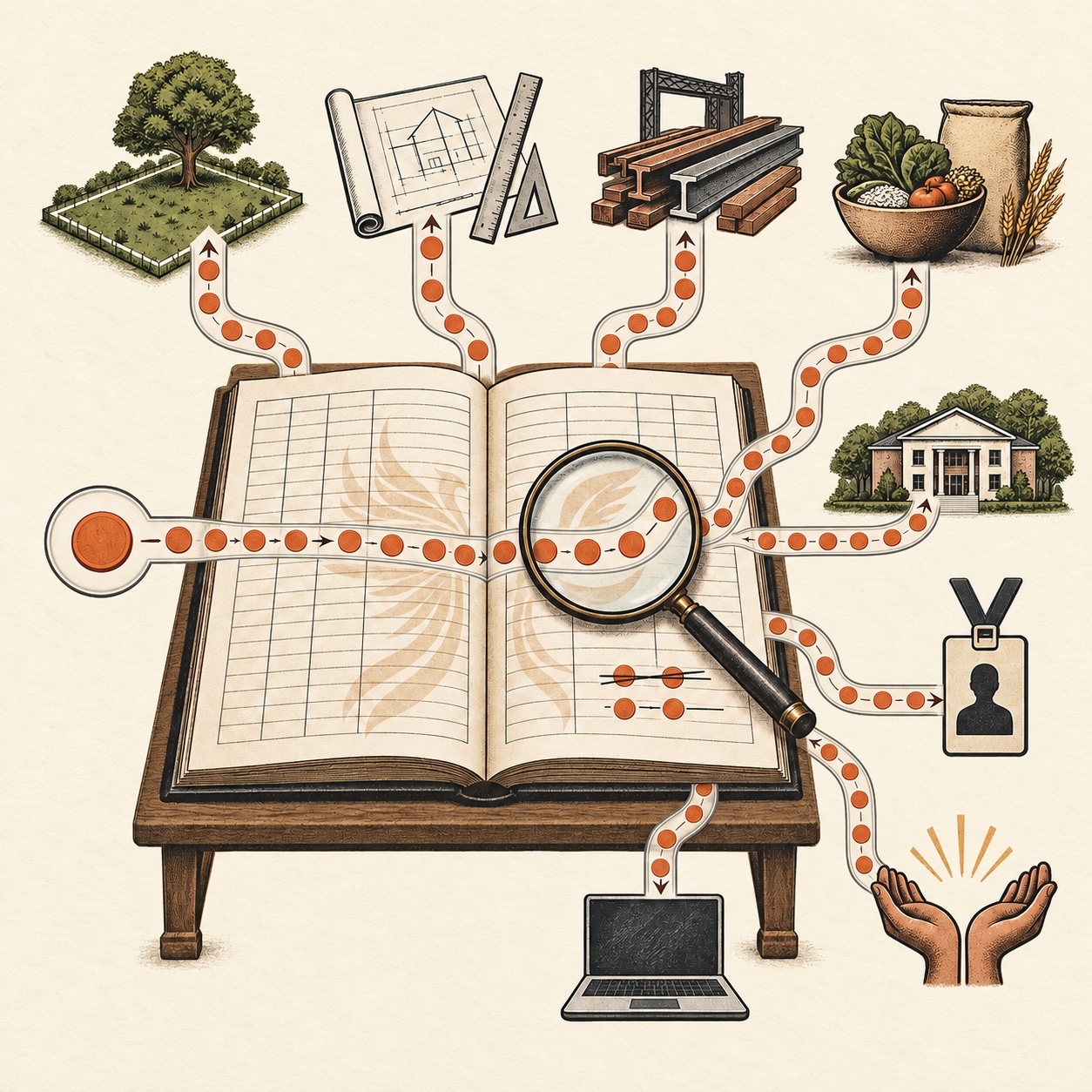
Across communities, homelessness is often viewed only through the lens of housing. While housing is an essential part of the solution, we believe lasting change requires something deeper. Behind every successful shelter, supportive housing program, or recovery initiative is a foundation of reliable operations, thoughtful technology, consistent staffing, and organizational systems that allow compassionate people to do their work well.
Firebird Holdings was created to build that foundation. Rather than operating every program ourselves forever, we develop the infrastructure that allows programs to succeed, prove that infrastructure in practice, and then permanently transition day-to-day program management to qualified local nonprofit organizations. We believe local communities should ultimately own and lead the services provided within their neighborhoods while benefiting from strong operational systems that are designed to last.
This website serves as the central resource for understanding our organization, our philosophy, our campuses, our technology, and our long-term vision. Whether you are a donor, county official, nonprofit leader, volunteer, or someone simply interested in learning more, we invite you to explore how Firebird Holdings is approaching homelessness from an infrastructure-first perspective.
Who We Are
Firebird Holdings is a for-profit infrastructure company focused on strengthening homelessness services through operational excellence. Our work includes designing shelter systems, developing organizational processes, building technology platforms such as ShelterNow, creating staffing models, and establishing accountability frameworks that help programs remain sustainable over time.
We believe nonprofits should spend their time serving people—not rebuilding software, operational procedures, or administrative systems from scratch every time a new campus opens. By separating infrastructure from long-term program management, we allow local organizations to focus on relationships, community engagement, and direct client support while inheriting proven systems that already work.
This approach is what we call the Firebird Model. It reflects our belief that lasting change comes from creating structures that communities can confidently own and continue improving for generations.
The Problem We Exist to Solve
Homelessness is often discussed as though the only thing missing is housing. Housing is unquestionably important, but housing alone does not explain why so many people continue to cycle through shelters, emergency services, hospitals, and crisis systems. Behind every successful housing placement is an organization responsible for helping someone navigate one of the most difficult periods of their life. If that organization lacks reliable systems, adequate staffing, or the operational support needed to function effectively, even the best intentions can fall short.
Over time, we noticed the same patterns appearing again and again. Clients were reduced to case numbers instead of people. Staff members worked incredibly hard but often lacked the tools they needed to consistently track progress, coordinate care, and communicate across shifts. Organizations spent enormous amounts of time rebuilding administrative processes instead of investing that energy into direct client support.
None of these challenges happen because people stop caring. They happen because the infrastructure supporting those people is often fragmented, outdated, or missing altogether. Without strong systems, every shift change risks lost information, every new employee requires unnecessary reinvention, and every organization spends valuable resources solving operational problems that have already been solved somewhere else.
Firebird Holdings exists because we believe homelessness should never be approached as a problem of compassion alone. Compassion is essential—but compassion supported by reliable infrastructure creates consistency, accountability, and long-term stability for both clients and the organizations serving them.
Why Infrastructure Matters
Infrastructure is rarely the first thing people think about when discussing homelessness, yet it quietly determines whether programs succeed or struggle. Technology, staffing models, operational procedures, reporting systems, communication tools, training, and organizational accountability all influence how effectively a shelter or housing program can serve the people who rely on it every day.
When infrastructure is neglected, staff spend more time searching for information than helping people. Critical details become scattered between paper files, spreadsheets, emails, and memory. New employees inherit inconsistent procedures, and leadership spends valuable time solving operational issues that should already have standardized solutions.
By contrast, organizations built on reliable infrastructure can devote more attention to relationships, emotional support, housing navigation, employment planning, and long-term stability. Good infrastructure doesn't replace human compassion—it strengthens it by removing unnecessary barriers that keep staff from focusing on the people in front of them.
This philosophy shapes every decision Firebird Holdings makes. Before asking communities to trust a new program, we believe the operational foundation should already exist. Systems should work before they are handed to those responsible for carrying the mission forward.
A Different Way to Scale
Traditional approaches to expanding homelessness services often place enormous responsibility on nonprofit organizations. Every time a new campus opens, local organizations may find themselves rebuilding policies, purchasing software, creating operational procedures, designing staffing structures, developing reporting systems, and solving countless administrative challenges before they can fully focus on serving clients.
Firebird Holdings approaches that challenge differently.
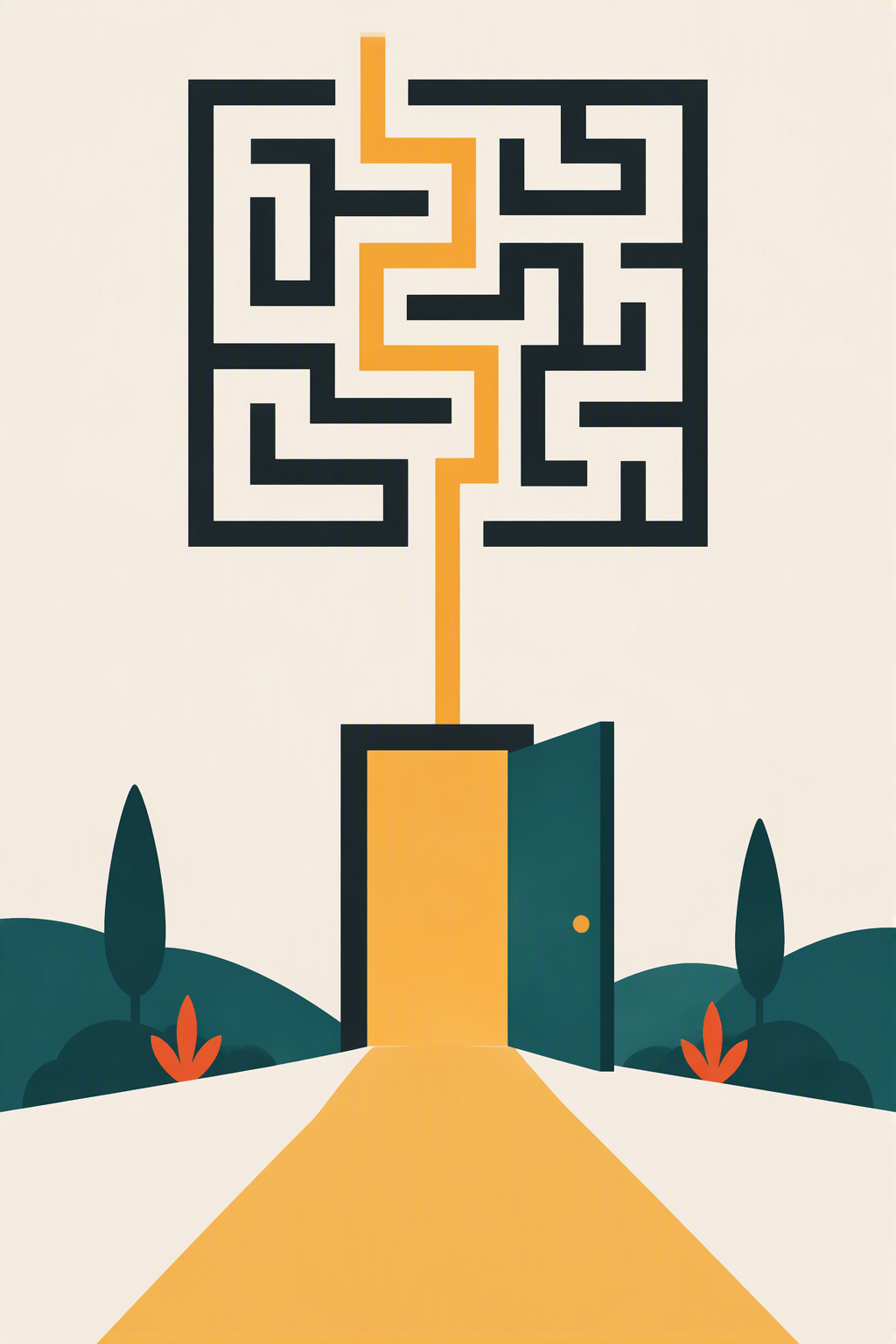
Rather than expecting every nonprofit to become an operations company, technology company, facilities planner, and systems designer all at once, we separate those responsibilities into distinct phases. Firebird Holdings develops and refines the infrastructure. Once that infrastructure has been demonstrated in practice, operational leadership is transitioned permanently to a qualified nonprofit partner with deep roots in the local community.
This structure allows each organization to focus on what it does best. Firebird Holdings concentrates on building sustainable operational systems. Local nonprofit partners concentrate on building relationships, supporting clients, and strengthening their communities. Neither side has to carry responsibilities outside its primary area of expertise.
The result is a model designed not simply to open one successful campus, but to create a repeatable framework capable of supporting many campuses across multiple communities over time.
Our Commitment
Every decision we make is guided by one simple belief: people deserve systems that recognize their humanity. Operational excellence is not separate from compassion—it is one of the ways compassion is expressed. When staff have the right tools, when technology reduces administrative burdens, and when organizations inherit reliable infrastructure instead of starting from scratch, more time can be devoted to meaningful human connection.
Our commitment extends beyond buildings and software. It includes creating environments where staff members are supported, mental health is valued, accountability is built into everyday operations, and every individual entering one of our campuses is treated with dignity, respect, and consistency.
We believe infrastructure should quietly empower the people doing the work, allowing them to spend less time managing systems and more time helping people build stable futures.
The Firebird Model
Firebird Holdings was created around a simple observation: communities should not have to rebuild the same infrastructure every time they want to help people experiencing homelessness. Across the country, nonprofit organizations repeatedly invest enormous time and resources into developing policies, operational procedures, software, reporting systems, staff training, and administrative processes before they can fully focus on the people they exist to serve.
We believe there is a better way.
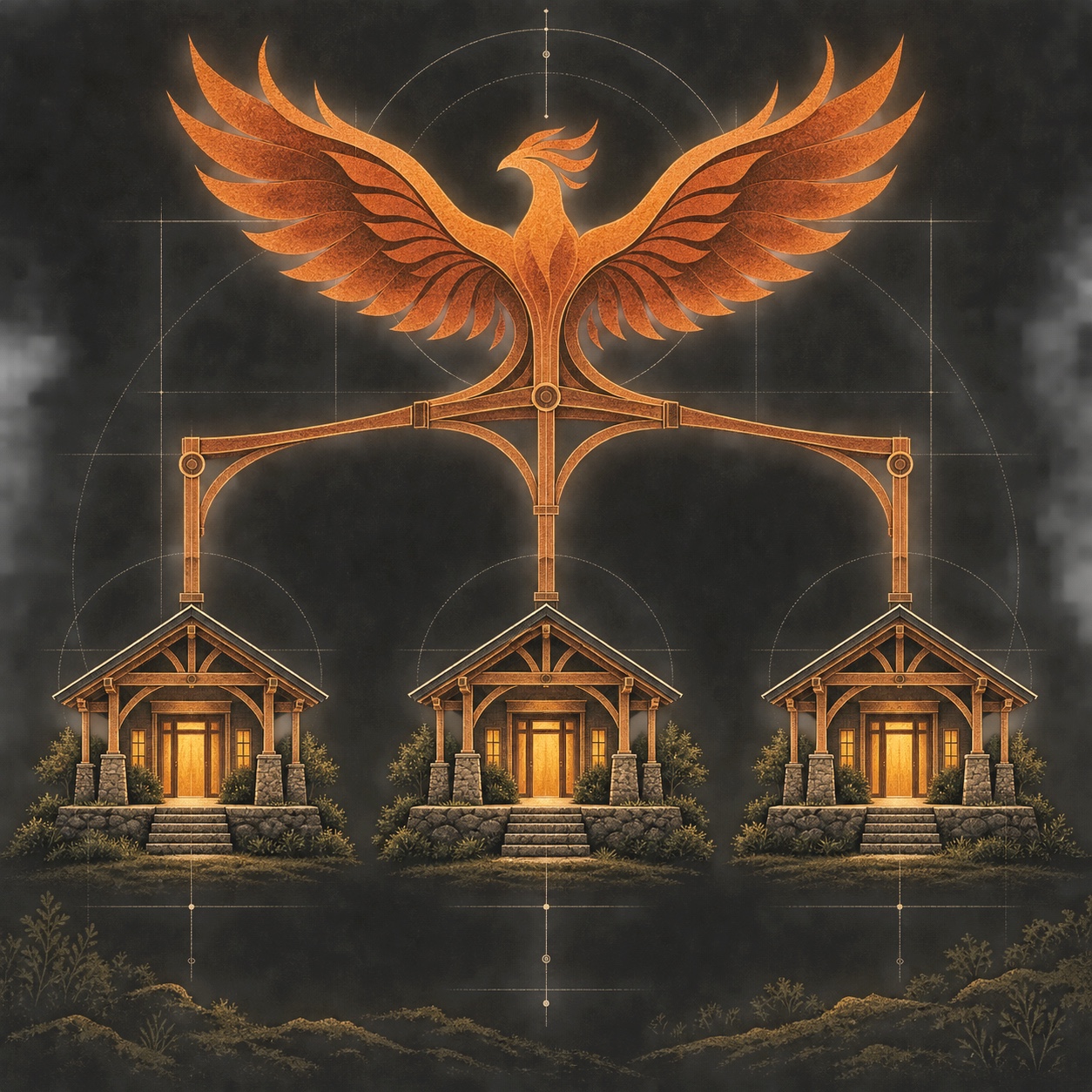
The Firebird Model separates infrastructure from long-term program management. Firebird Holdings designs and builds the operational foundation—including technology, staffing systems, accountability frameworks, operational workflows, and organizational processes. Once those systems have been implemented, tested, and refined, leadership of the campus is permanently transitioned to a qualified nonprofit organization rooted in the local community.
That transition is not temporary. It is the intended outcome from the very beginning. Our role is to build strong infrastructure that communities can confidently inherit and continue improving for years to come.
This model allows every organization to focus on what it does best. Firebird Holdings specializes in infrastructure development. Local nonprofits specialize in relationships, community engagement, and direct client support. Together, those strengths create programs that are more sustainable than either organization could build alone.
How the Handoff Model Works
Every Firebird Holdings campus follows the same long-term process. First, we identify the operational requirements necessary for a successful campus. We design the systems, establish staffing structures, develop technology, document procedures, and create the organizational framework that allows daily operations to function consistently.
Next, those systems are implemented through one of our campuses, where they are continuously evaluated and refined. Rather than assuming every process is perfect from the beginning, we expect to learn, improve, and strengthen the model through practical experience.
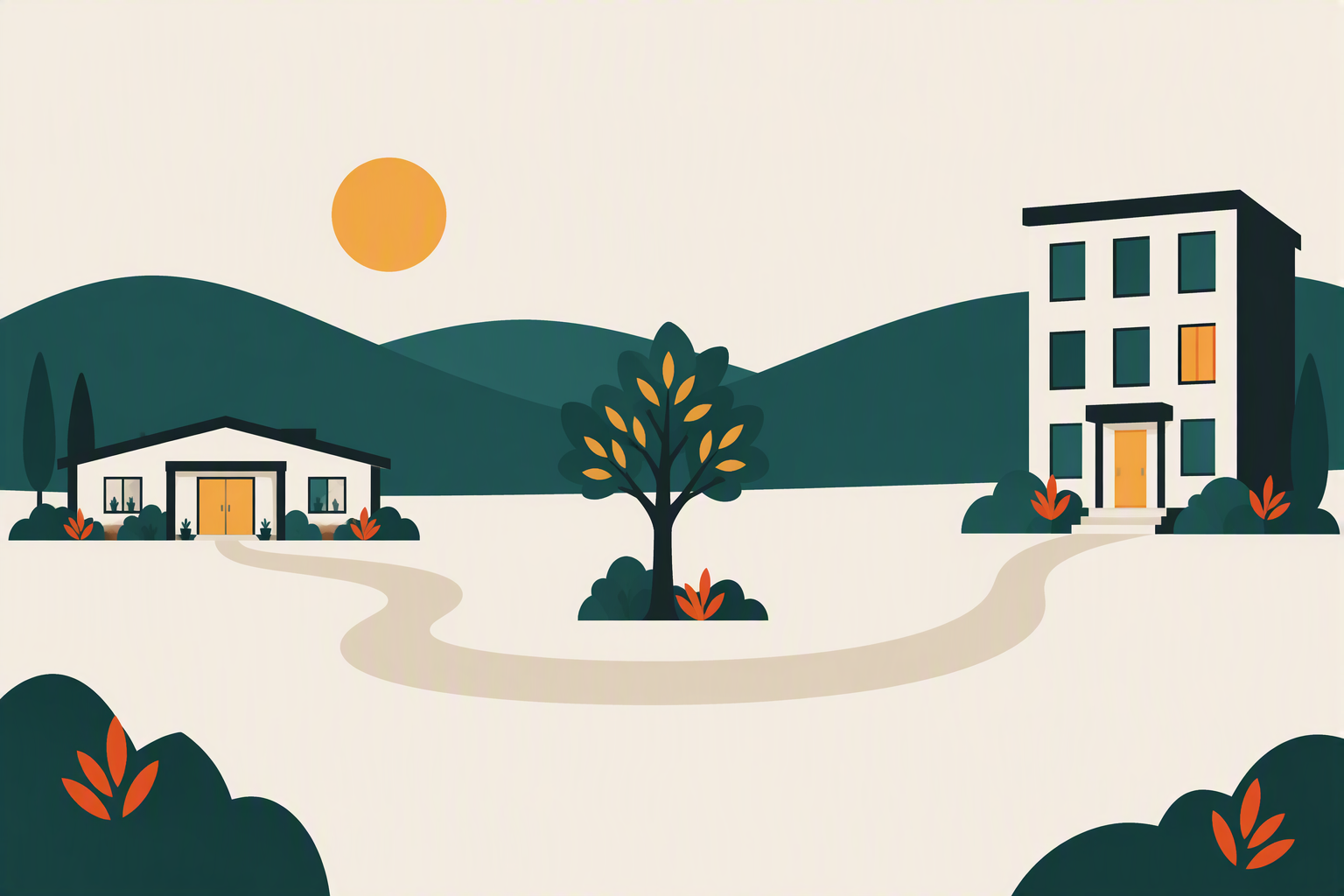
Once the infrastructure has demonstrated that it can support reliable operations, responsibility for daily program management is permanently transferred to a nonprofit organization serving that community. Firebird Holdings remains focused on developing future campuses and advancing the infrastructure model, while the nonprofit assumes leadership of the program itself.
This handoff is what makes our approach scalable. Instead of creating one organization responsible for every campus indefinitely, each community gains ownership of its own program while benefiting from infrastructure that has already been designed, tested, and proven.
Hearthside: Our First Adult Campus
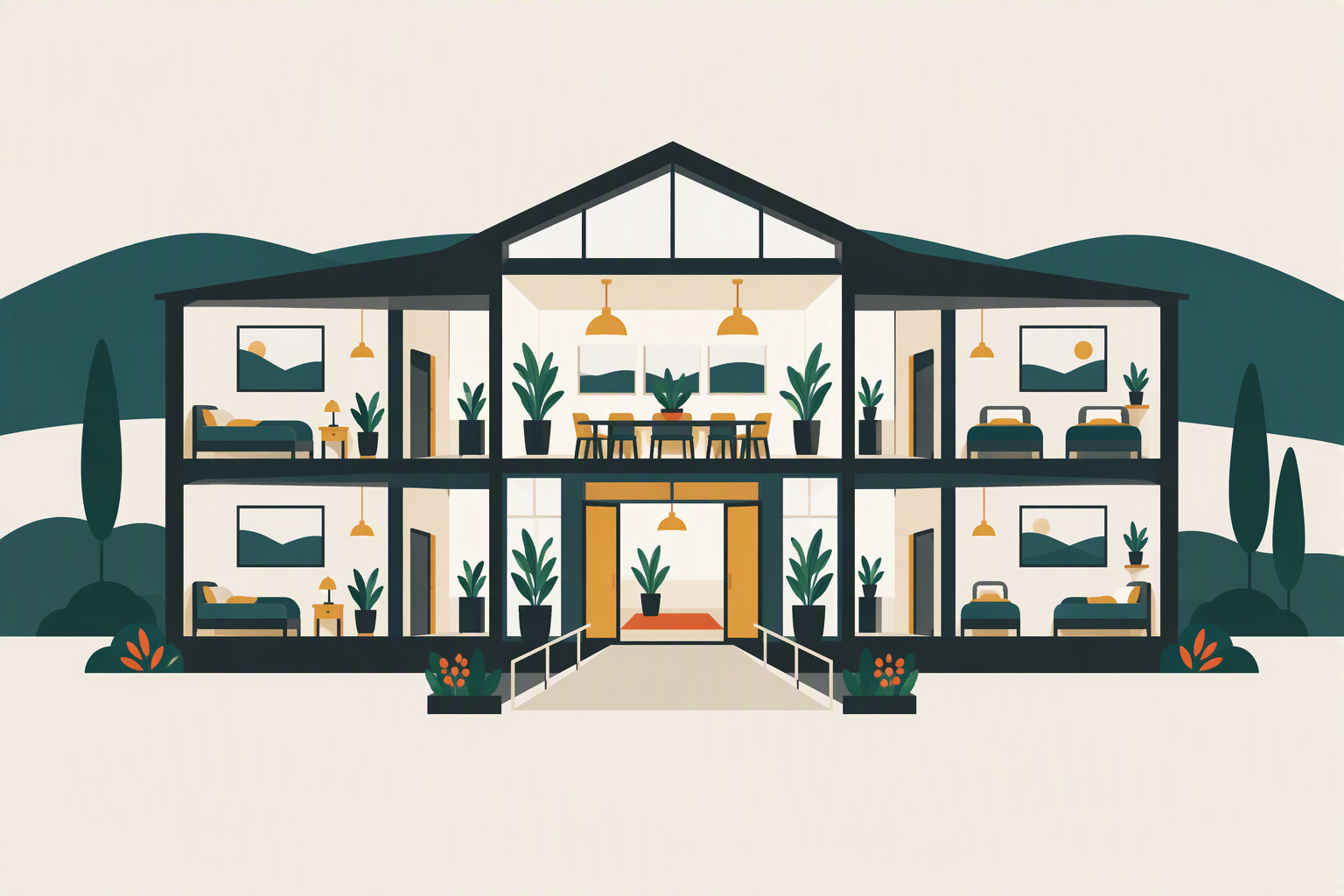
Hearthside represents the first real-world implementation of the Firebird Model. More than simply opening another shelter, Hearthside serves as the environment where our operational philosophy becomes practical reality. Every system, workflow, staffing practice, and technology platform developed by Firebird Holdings is designed to be tested, evaluated, and refined through Hearthside before supporting future campuses.
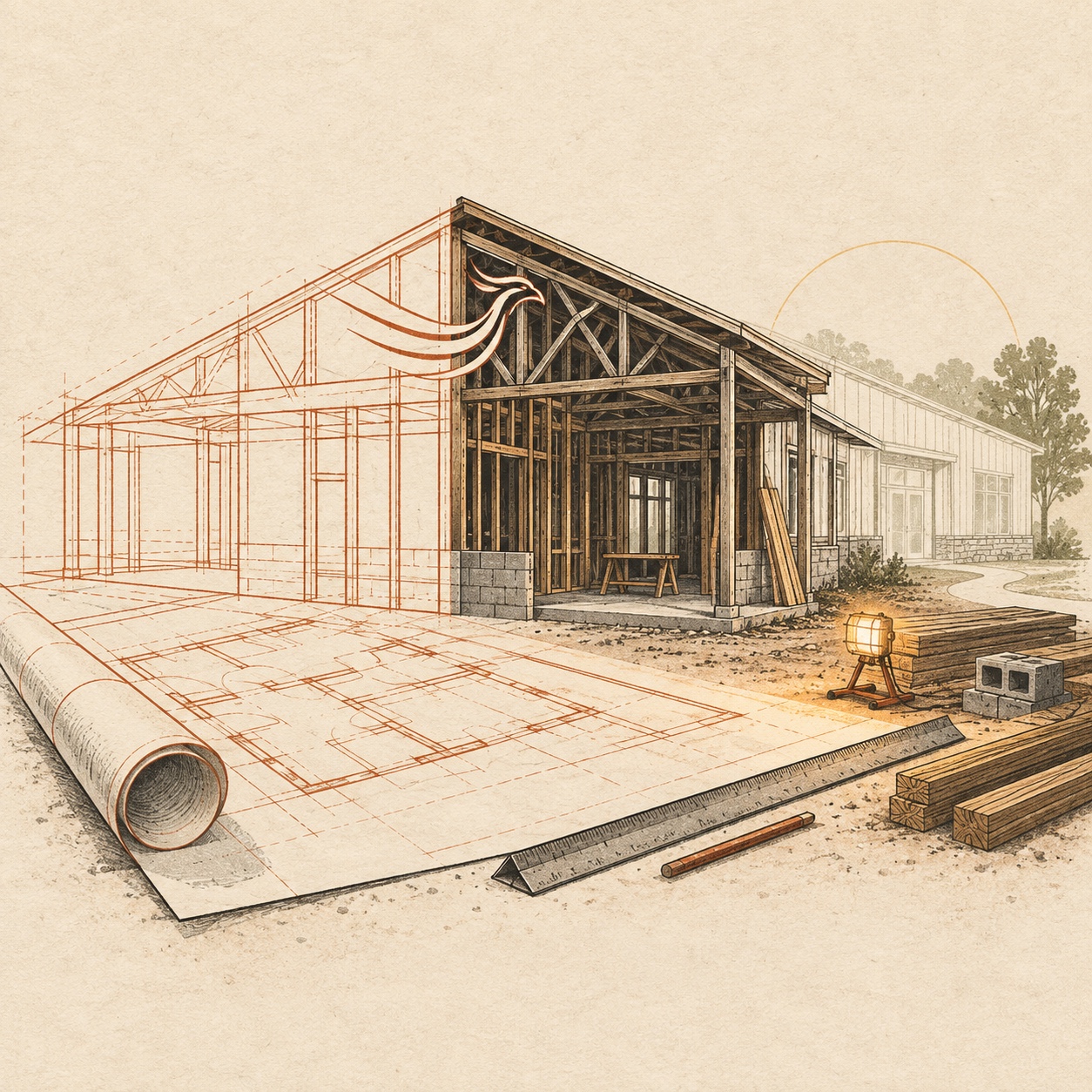
As our first Adult Campus, Hearthside is intentionally built as a blueprint rather than a one-time project. Lessons learned through daily operations will strengthen every campus that follows, allowing future nonprofit partners to begin with proven infrastructure instead of starting from scratch.
The goal is not simply to operate one successful campus. The goal is to create a repeatable model capable of supporting communities across the country while preserving local leadership and community ownership.
Building Daily Emotional Regulation Into Campus Life
One of the defining characteristics of every Firebird campus is the belief that emotional regulation should be part of daily life rather than an occasional service. Many programs provide counseling or scheduled support sessions, but Firebird Holdings believes opportunities for emotional processing should exist every single day.
Residents participate in daily group discussions where they are encouraged to talk openly about the challenges they are experiencing, celebrate personal victories, discuss setbacks, and receive encouragement from both staff and peers. These conversations are not treated as optional extras—they are integrated into the rhythm of campus life because emotional resilience develops through consistent practice.
Equally important is the role of staff. Staff members are expected to be present with residents, not simply supervise them. When someone is experiencing a difficult moment, our expectation is that staff engage with compassion, patience, and genuine human presence. Technology and operational systems exist to support these interactions, never replace them.
We believe long-term stability requires more than housing. It requires opportunities to develop healthy coping strategies, build trusting relationships, and practice emotional regulation in an environment where people are consistently seen, heard, and respected.
ShelterNow: Technology That Supports People
Every successful organization depends on reliable information. Unfortunately, many homelessness programs still rely on a combination of paper files, spreadsheets, handwritten notes, emails, and institutional memory to keep track of the people they serve. As staff members change shifts or new employees join the organization, important information can become difficult to find or unintentionally overlooked.
ShelterNow was created to solve that problem.
Developed by Firebird Holdings, ShelterNow is the technology platform that supports both shelter operations and organizational management. Rather than replacing human relationships, ShelterNow exists to strengthen them by giving staff immediate access to the information they need to provide consistent, informed care.
The platform allows staff to securely document resident information, monitor wellness check-ins, coordinate services, communicate across shifts, and manage day-to-day operations from one centralized system. This reduces administrative burden while increasing accountability and continuity of care.
When a campus is permanently transitioned to a nonprofit organization, ShelterNow transitions with it. The nonprofit does not simply inherit a building—they inherit the technology, operational systems, and organizational infrastructure that allow the campus to continue functioning effectively from day one.
For Firebird Holdings, ShelterNow represents more than software. It is an example of how thoughtful technology can quietly support compassionate care by reducing unnecessary administrative work and helping ensure that no one becomes invisible inside the system.
Looking Toward the Future
Hearthside is only the beginning.
Our long-term vision extends far beyond a single campus. As the Firebird Model continues to mature, we intend to establish additional Adult Campuses in communities where sustainable partnerships can be developed with local nonprofit organizations. Each new campus will benefit from lessons learned through previous locations, allowing the model to become stronger with every implementation.
Future Youth Campuses will expand that vision by addressing the unique needs of young people experiencing housing instability. While the operational philosophy remains consistent—strong infrastructure, daily emotional regulation, compassionate staff presence, and permanent nonprofit leadership—the programs themselves will be specifically designed to help young people develop the skills, resilience, and stability necessary for long-term success.
Every new campus strengthens the network. Every successful transition demonstrates that communities can own programs supported by proven infrastructure rather than starting from the beginning each time.
Why This Model Matters
Most organizations attempting to solve homelessness face the same difficult balancing act. They must provide compassionate care while simultaneously becoming experts in finance, technology, compliance, facilities management, operations, human resources, staff training, fundraising, reporting, and countless other responsibilities.
Firebird Holdings was built to reduce that burden.
By developing infrastructure separately from long-term program management, we allow nonprofit organizations to spend more of their time doing what inspired them to exist in the first place: serving people. Instead of repeatedly building administrative systems from scratch, nonprofit leaders can inherit proven operational tools and focus their energy on relationships, housing navigation, emotional support, and community partnerships.
This is not simply a different way to build shelters. It is a different way to think about how communities work together. Strong infrastructure allows compassion to reach more people, more consistently, and with greater long-term sustainability.
Our Vision for the Future
We envision a future where homelessness services are supported by infrastructure that is as dependable as the people providing care. A future where staff members know the names, stories, and goals of every resident because technology quietly supports their work instead of distracting from it.
We envision nonprofit organizations spending less time solving operational problems and more time strengthening their communities. We envision campuses where emotional regulation is woven into everyday life, where dignity is protected through thoughtful systems, and where every person is treated as an individual rather than a number.
Most importantly, we envision communities that are empowered to lead their own programs with confidence because they inherit infrastructure that has already been designed, tested, and refined. Our success will not be measured by how many campuses Firebird Holdings operates forever. It will be measured by how many thriving community-led campuses continue serving people long after the handoff has taken place.
That is the future we are building—one campus, one partnership, and one community at a time.
Continue Exploring Firebird Holdings
Every page of this website explores a different part of our organization. Whether you're learning about our philosophy, our campuses, our technology, or looking for ways to get involved, we invite you to continue exploring.
About Firebird
Learn why Firebird Holdings was founded and the philosophy that guides every decision we make.
Read MoreOur Mission
Discover our commitment to building infrastructure that allows communities to serve people with dignity and consistency.
ExploreOur Model
Understand the Firebird Handoff Model and how sustainable partnerships create stronger communities.
Learn MoreAdult Campuses
See how Hearthside demonstrates our infrastructure-first philosophy in practice.
Visit PageYouth Campuses
Learn how we plan to expand the model to better support young people experiencing homelessness.
Learn MoreOur Team
Meet the people responsible for building Firebird Holdings and bringing this vision to life.
Meet the TeamHow You Can Help
Whether you're an individual donor, volunteer, nonprofit, or corporate partner, there are meaningful ways to contribute.
Get InvolvedContact Us
Questions, partnership opportunities, media inquiries, or referrals—we'd love to hear from you.
ContactBuilding the Infrastructure to End Homelessness
Communities solve homelessness through people, partnerships, and systems that last. Firebird Holdings exists to build that foundation so local nonprofit organizations can focus on what matters most—serving people with dignity, compassion, and consistency.
Whether you're looking to support Hearthside, partner with Firebird Holdings, volunteer your time, or simply learn more about our approach, we invite you to become part of this growing movement.
Support the Mission Contact Us